
Protect the Greatest Asset First: Your Ability to Earn
Before a household can build, invest, save, or preserve wealth, it depends on one engine: the ability to produce income.

The Business Overview Is a Conversation, Not a Pitch
The goal of a business overview is clarity: help someone understand the work, the path, and whether the opportunity fits what they are looking for.

Know the Job Before the Tool: Protection, Accumulation, and Income
Products make more sense when you first understand the job they are being asked to do. Start with the need, then evaluate the tool.
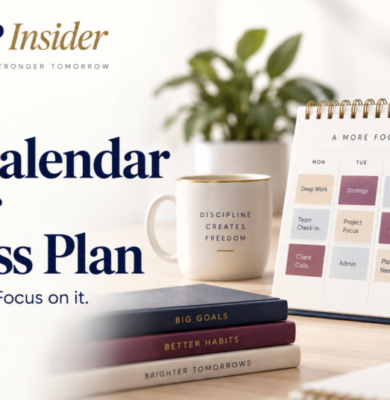
Your Calendar Is Your Business Plan
If the activity that grows your business is never protected on the calendar, it will always lose to whatever feels urgent in the moment.

Recruit the Gap: Start With What They Want to Change
Strong recruiting conversations begin with the person—not the compensation chart. Find the dissatisfaction, ambition, or gap before you explain the opportunity.

Start With the Financial Picture, Not the Product
The right tool cannot be identified until the client’s goals, resources, obligations, protection, and priorities are understood.

The Hot Button: How to Listen Your Way Into Better Appointments
Better appointments start before the presentation. Ask better questions, listen deeply, and uncover what the person actually cares about.

Follow-Up Is Part of the Service
A great meeting loses value when nobody owns the next step. Professional follow-up is how a good conversation becomes a client experience.

Field Training Is Where Confidence Gets Built
Confidence rarely arrives before action. Field training creates the repetitions that turn information into skill.

Coachability Is a Business Skill, Not a Personality Trait
Being coachable does not mean being passive. It means being willing to test proven guidance before replacing it with your own assumptions.

Becoming a Financial Services Professional Means Understanding More Than Your Product
Clients do not live in product silos. Insurance, retirement accounts, taxes, debt, cash flow, estate planning, and investments all affect the same household.

Your 100 List Is a Relationship List, Not a Sales List
The 100 List works best when it helps you see relationships, needs, and opportunities to serve—not when it becomes a list of people to pressure.